The Seven Stages
APPROXIMATELY 60 DAYS FOR DIAMOND PRODUCTIONSubmit Your Hair Sample
Contact Silmaril to begin. Silmaril provides sample preparation and posting instructions before you send your hair sample.
You return approximately 10 grams of clean, dry human hair. For pet fur, Silmaril recommends approximately 20 grams where available to provide sufficient processing margin; the laboratory's technical requirement can be lower depending on sample condition and target carat. Saved locks, grooming clippings, freshly cut hair, or fur from a brush may be suitable.
Life-ID Assignment
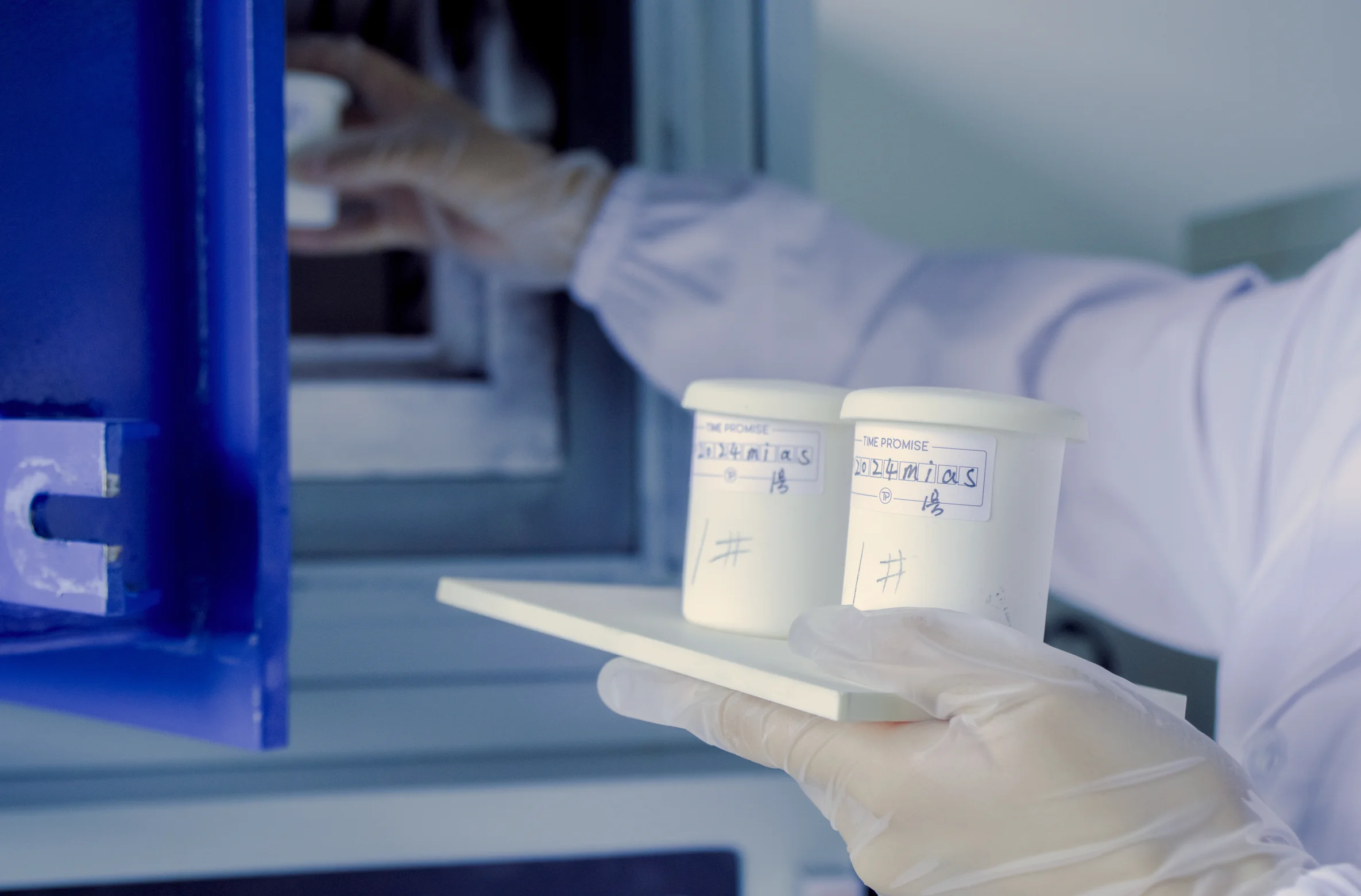
The moment your sample is received by Silmaril, it is logged and assigned a unique biological Life-ID. This identifier accompanies your material through every subsequent stage, including transfer to our specialist HPHT lab partner in China, carbon extraction, growth, cutting, setting, and delivery.
Your hair is immediately placed in its own dedicated, labelled container. It will never share space with another person's or animal's material for the entire duration of the process.
Each stage of your order is documented with photos and milestone video where available, then tagged to your Life-ID — creating a visual chain of custody from intake through shipping handover, China lab growth, cutting, setting, and delivery.
Carbon Extraction & Purification
Hair is composed largely of keratin — a fibrous protein whose molecular structure is built on a carbon backbone. Through a controlled thermal and chemical process, we break down the keratin chains and isolate the carbon.
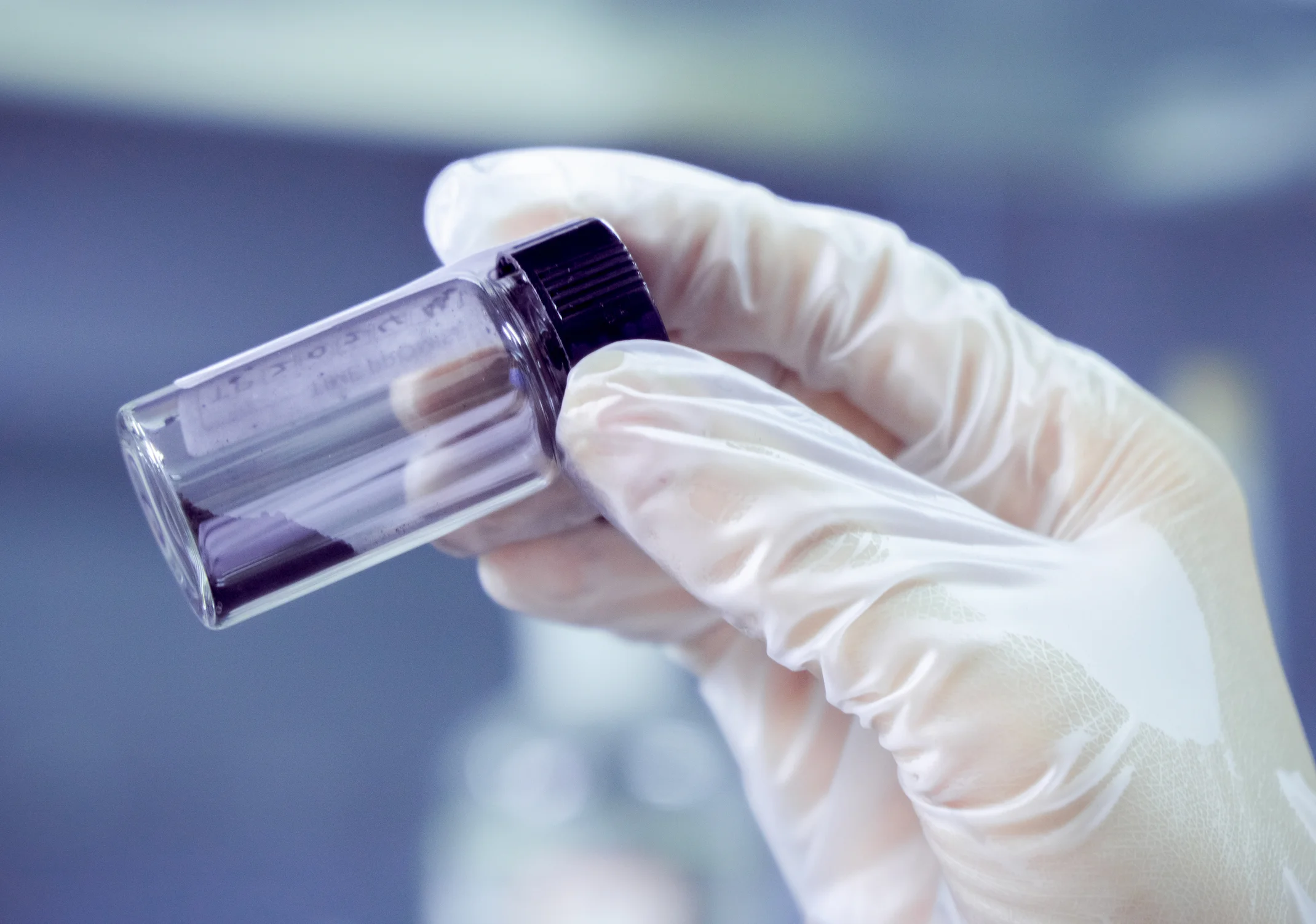
The extracted carbon undergoes multi-stage filtration, washing and high-temperature treatment until it reaches at least 99.95% purity. Spectroscopic verification checks the carbon before it proceeds to graphitization.
This stage is recorded as part of your evidence pack, so the transition from hair sample to purified carbon is traceable within your order record.
Graphitization
Purified amorphous carbon is converted into crystalline graphite under high temperature in a vacuum or inert atmosphere. This ordered graphite structure is the direct carbon feedstock used in HPHT diamond growth.
Graphitization is a critical quality checkpoint: incomplete conversion can reduce growth yield and contribute to inclusions or colour inconsistency.
HPHT Crystal Growth
The bio-carbon graphite is loaded into a dedicated High Pressure High Temperature growth cell operated by our specialist lab partner in China, together with a small diamond seed and a metal catalyst. Typical operating conditions are:
- Temperature: approximately 1,450°C
- Pressure: approximately 5.5 gigapascals
Under these conditions, graphite dissolves in the catalyst and carbon migrates along a controlled thermal gradient to the seed crystal, building the cubic diamond lattice. Growth typically takes 35–50 days depending on the target stone and operating conditions.
One chamber. One guest. Always. No other customer's material is processed in the chamber alongside your loved one's carbon. Lab handover, chamber loading, rough stone recovery, and milestone progress are included in the photo and video record where available.
Cutting, Polishing & 4C Grading
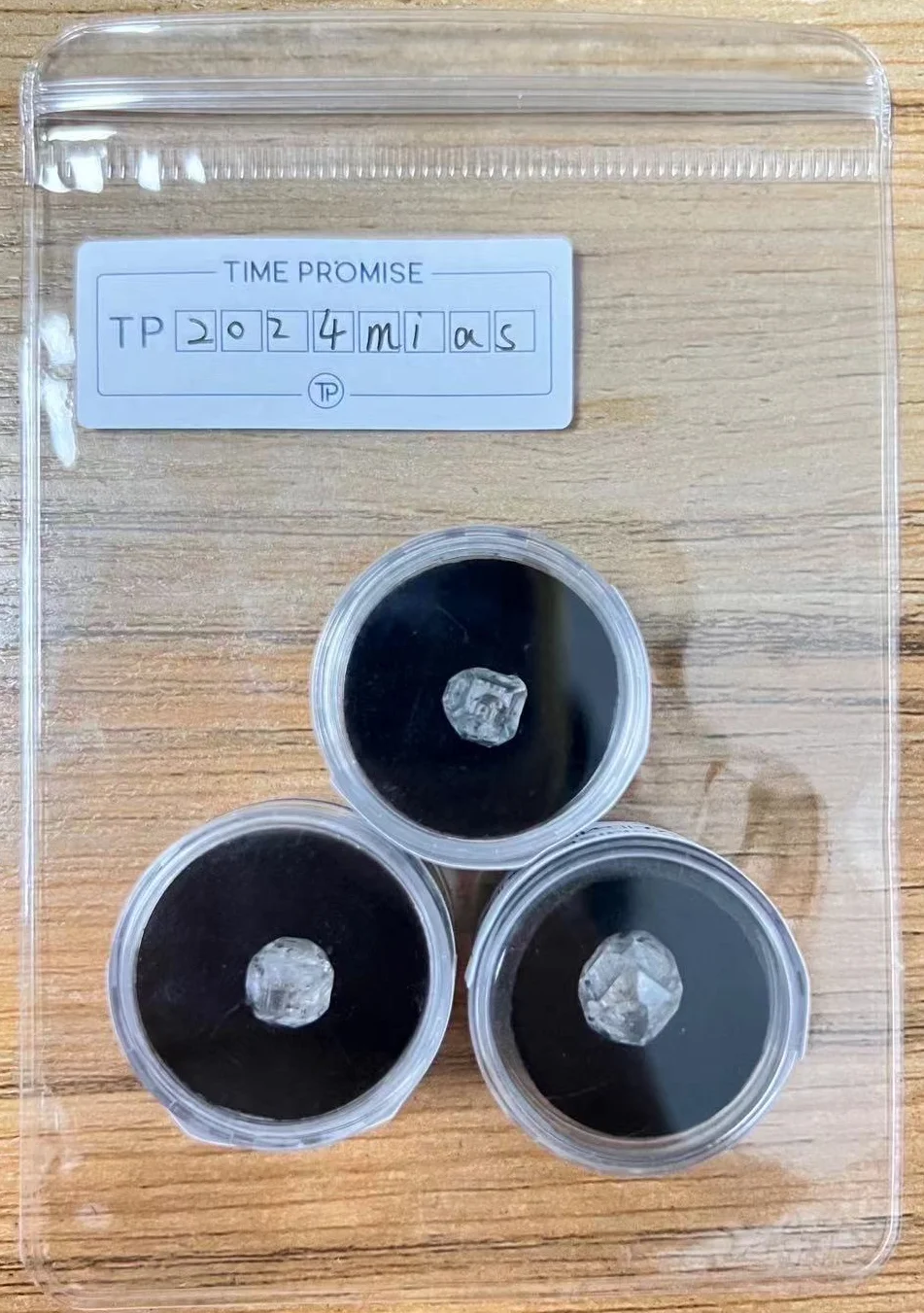
The raw diamond is removed from the chamber — rough, unpolished, and already unmistakably a diamond. It is assessed for quality, then passed to a skilled lapidary for cutting and polishing.
After polishing, the stone is assessed using the standard 4Cs: carat, colour, clarity and cut. Every diamond is issued a traceability certificate from the International Life Diamond Association (ILDA) or CCIC at no extra cost. GIA or IGI gemological grading can be arranged on request at additional cost.
Jewellery Setting & Delivery
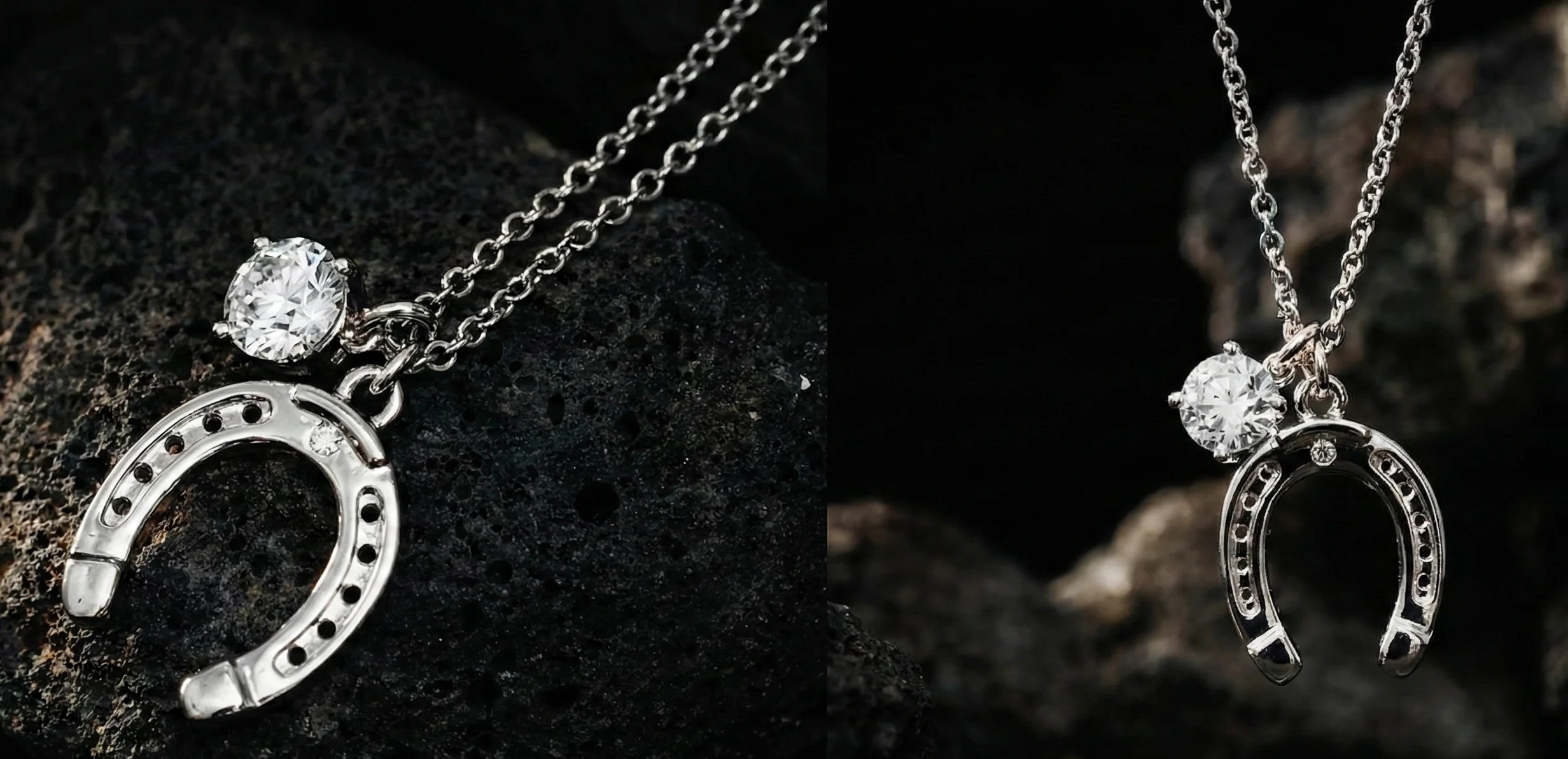
The graded stone is set into your chosen 18K gold design, inspected, packaged and prepared for insured delivery.
The completed jewellery piece — together with any returnable unused material — is returned to your New Zealand address. Silmaril's customer delivery estimate is approximately 100 days from receipt of a suitable sample, including international logistics and jewellery setting. Customs or carrier delays may extend this estimate.